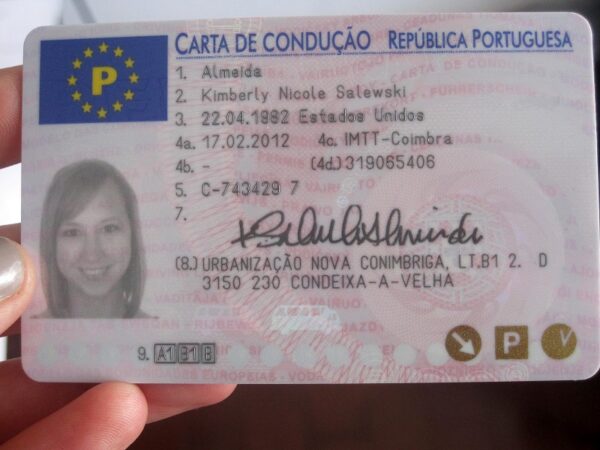
A Comprehensive Guide to Obtaining a Driving License
Getting a driving license is a vital achievement for many individuals, marking a turning point of independence and mobility. This guide provides a detailed summary of the process involved in acquiring a driving license, concentrating on the steps, requirements, and ideas for success.
Comprehending the Importance of a Driving License
A driving license is more than just a piece of plastic; it is a vital document that serves a number of functions:
- Legal Compliance: Driving without a valid license is illegal in a lot of jurisdictions and can lead to fines or legal action.
- Identification: A driving license is frequently accepted as a primary form of recognition.
- Job Opportunities: Many jobs require a valid license, specifically those including travel or transport.
- Personal Freedom: A driving license enables individuals to take a trip more freely and gain access to opportunities without relying on public transport.
The Process of Obtaining a Driving License
The process of acquiring a driving license can differ from one jurisdiction to another. However, Tirar Carteira De Motorista outlined below generally apply to many locations.
Step 1: Understand the Requirements
Before getting a driving license, it's essential to understand the particular requirements in your location. Below are typical requirements:
- Age: Most regions need that candidates be at least 16 years of ages for a learner's license and 18 for a full license.
- Recognition: Proof of identity, such as a birth certificate or passport, is normally needed.
- Residency: Applicants generally require to provide proof of residency within the jurisdiction where they are applying.
- Vision Tests: Many states mandate that candidates pass a vision test.
Action 2: Complete the Required Education and Training
In many jurisdictions, brand-new motorists are needed to undertake driver education programs. These programs might consist of:
- Classroom Instruction: Understanding traffic laws, road signs, and safe driving practices.
- Behind-the-Wheel Training: Practical experience of driving under the guidance of a certified trainer or an experienced driver.
Step 3: Apply for a Learner's Permit
With the requirements and education finished, the next step is to obtain a learner's license. This permits people to practice their driving abilities under particular conditions. The process normally consists of:
- Filling out an application kind.
- Paying any appropriate costs.
- Passing a composed understanding test based on traffic rules.
Step 4: Practice Driving
When the student's license is obtained, it's time to begin practicing:
- Log Driving Hours: Many jurisdictions require a particular number of practice hours with a licensed chauffeur.
- Drive in Various Conditions: It is advisable to practice driving in various weather, during the night, and in heavy traffic.
Step 5: Schedule a Road Test
After completing the needed practice hours, it's time to schedule a road test. The roadway test evaluates actual driving skills and adherence to traffic laws. Preparation for the road test usually consists of:
- Reviewing the driving handbook.
- Practicing protective driving strategies.
- Guaranteeing the automobile meets safety requirements.
Step 6: Pass the Road Test
To acquire a driving license, passing the roadway test is necessary. Here are common elements assessed throughout the test:
- Vehicle Control: Demonstrating control over the car.
- Adherence to Traffic Signals: Following traffic signs and signals.
- Safe Maneuvers: Performing safe lane changes, turns, and parking.
- General Competence: Showing an understanding of protective driving practices.
Action 7: Obtain the Driving License
Upon successfully passing the road test, candidates can proceed to acquire their driving license. Steps consist of:
- Completing any staying paperwork.
- Paying the needed fees.
- Providing pictures if not currently taken.
Step 8: Follow the Restrictions (if any)
For new motorists, there might be restrictions on your driving license, such as restrictions on nighttime driving or guest limitations. Acquaint yourself with these rules to avoid charges.
Often Asked Questions (FAQs)
Q: What if I fail the driving test?
A: If you fail the driving test, evaluate the feedback offered, practice your skills, and schedule a retest after the mandated waiting duration.
Q: Can I drive with a learner's authorization alone?
A: No, people with a student's permit must be accompanied by a licensed chauffeur who fulfills age and experience requirements.
Q: How long is a driving license valid?
A: The validity of a driving license differs by jurisdiction however generally ranges from 4 to 10 years.
Q: What are the fees related to obtaining a driving license?
A: Fees may include application costs, screening charges, and issuance charges, varying extensively depending upon the state or country.
Q: Can I use a foreign driving permit?
A: In numerous jurisdictions, a foreign driving license might be borrowed, but it is suggested to examine local guidelines.
Getting a driving license is an overwhelming yet satisfying process. By following the described steps and diligently preparing for each stage, prospective motorists can confidently browse the journey towards obtaining their license. Remember to comply with local guidelines and dedicate time to practice, guaranteeing a smooth shift to driving independence.